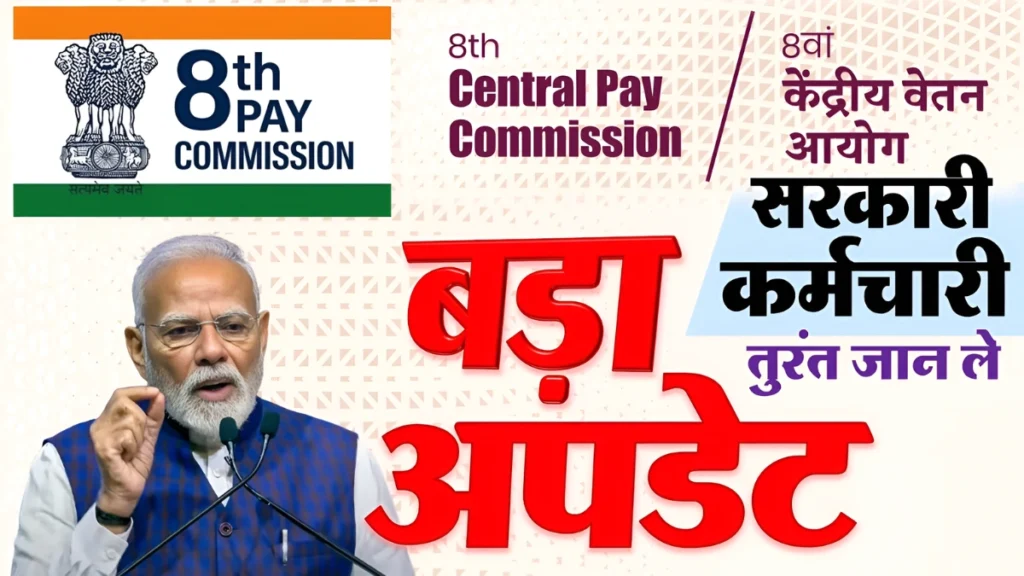
Central Employees Salary Hike 2026: Central government employees across India are closely tracking the latest developments related to salary revisions and Dearness Allowance adjustments. Rising inflation, changing economic conditions, and increasing expectations from employee unions have brought the topic of salary hikes back into the spotlight. Discussions surrounding the upcoming pay revision linked with the possible formation of the 8th Pay Commission have created strong anticipation among millions of employees and pensioners.
Government salary structures are periodically revised to ensure that employees can maintain their purchasing power despite rising living costs. The Dearness Allowance component of salaries plays a major role in this process. With new economic data emerging and inflation trends continuing to evolve, many experts believe that a fresh DA hike notice could arrive soon. If this happens, it could provide meaningful financial relief to employees working in various central government departments.
Fresh DA Hike Buzz Spreads
Dearness Allowance revisions are among the most closely followed updates for government employees. DA is adjusted to compensate employees for rising prices of everyday goods and services. When inflation increases, the government usually revises DA to ensure that employee salaries remain balanced against the cost of living.
Currently, discussions about a possible DA increase are gaining momentum among employee groups and economic observers. If the next adjustment is announced soon, it would directly boost the monthly salaries of millions of workers. Pensioners would also benefit because Dearness Relief is revised at the same rate as DA.
Why Inflation Drives Pay Changes
Inflation remains the primary factor behind salary adjustments in government pay structures. The government monitors consumer price data and economic indicators before deciding whether a Dearness Allowance revision is necessary. When inflation rises beyond certain levels, employees start expecting salary adjustments to maintain their standard of living.
Food prices, housing costs, transportation expenses, and healthcare charges all influence inflation levels. If these costs continue to increase, DA revisions become essential to help employees manage their daily expenses. This is why government salary policies are closely linked with economic trends and inflation data.
Eighth Pay Commission Talks Intensify
The possibility of the 8th Pay Commission has become one of the most discussed topics among government employees. Pay commissions are traditionally established to review salary structures, allowances, and pension benefits for central government staff. The previous 7th Pay Commission came into effect several years ago, and discussions about the next revision cycle are gradually gaining traction.
Experts believe that planning for the next pay commission may begin in the coming years. Once established, the commission would study economic conditions, inflation trends, and employee needs before recommending changes to the pay structure. These recommendations could lead to substantial improvements in salaries and allowances.
Salary Structure Could See Major Changes
If the 8th Pay Commission is implemented, it may introduce several changes in the pay matrix used to calculate government salaries. The commission could recommend a higher minimum basic salary, improved allowances, and adjustments in the existing pay levels.
In previous pay commissions, the government introduced new pay scales and salary formulas to better reflect the modern economy. Similar reforms could be expected in the next revision as well. Employees are hopeful that the new pay structure will provide a stronger financial foundation for both current workers and future recruits.
Employee Unions Push For Reforms
Employee unions across different government sectors have been actively raising demands related to salary revisions. These organizations play an important role in representing the concerns of employees and negotiating with policymakers. Many unions have suggested that the minimum basic salary should be increased significantly in the next pay revision.
Union representatives also emphasize that allowances such as housing benefits, travel allowances, and medical support should be updated to match current living expenses. According to employee leaders, improving salary structures would help maintain motivation among government workers and improve service quality in public institutions.
Pensioners Await Financial Relief
Retired government employees are also watching developments related to DA revisions and future pay commissions. Pensioners depend heavily on Dearness Relief adjustments to keep up with rising living costs. Any increase in DA automatically increases the pension payments they receive each month.
Healthcare costs and daily living expenses have increased in recent years, making financial adjustments even more important for senior citizens. If a new pay commission eventually recommends higher pension formulas, retired employees could receive improved financial security in their post-retirement years.
Government Evaluating Economic Balance
While employee expectations are rising, the government must also evaluate the broader economic impact of salary revisions. Implementing a pay commission or increasing allowances involves significant expenditure from the national budget. Policymakers therefore analyze revenue collections, economic growth, and fiscal stability before making final decisions.
Maintaining a balance between employee welfare and national financial stability is a critical task. Governments typically take a cautious approach to ensure that salary increases are sustainable in the long term while still providing fair compensation to employees.
Possible Timeline For Future Decisions
Although there is no official announcement yet regarding the formation of the 8th Pay Commission, discussions are gradually increasing within policy circles. Economic experts believe that preliminary planning and consultations could begin before any formal announcement is made.
Meanwhile, Dearness Allowance revisions are generally announced twice each year. If the next DA adjustment is confirmed, employees could see changes reflected in their salary payments soon after the announcement. These periodic revisions ensure that government workers continue receiving financial support during periods of inflation.
Impact On Millions Of Families
Government salary revisions affect not only employees but also millions of families who depend on government income. When salaries increase, household purchasing power improves, which also benefits the broader economy. Higher spending on goods and services can stimulate local markets and businesses.
This ripple effect is one reason why pay commission announcements often attract nationwide attention. Any decision related to salary revisions influences a large section of the population and can shape economic activity across multiple sectors.
Financial Planning For Employees
Many employees are already planning their future finances based on expectations of possible salary improvements. Government workers often rely on stable salary structures to manage housing loans, education expenses, and long-term investments.
A potential salary hike through DA adjustments or future pay commission recommendations could provide additional financial flexibility. Employees may be able to increase savings, invest in retirement planning, or manage rising household costs more comfortably if their salaries improve.
Long Term Outlook For Government Pay
The long-term outlook for government salaries remains closely tied to economic growth and fiscal policy decisions. As India’s economy continues to expand, the government may gradually introduce reforms that modernize salary structures and employee benefits.
Future pay revisions could focus not only on higher salaries but also on better allowances, digital work infrastructure, and improved retirement benefits. These changes would aim to create a more balanced and efficient system for supporting government employees across the country.
Final Verdict On Salary Hike
The growing discussions around Dearness Allowance revisions and the potential 8th Pay Commission have generated strong interest among central government employees. While official confirmation is still awaited, rising expectations suggest that important decisions may arrive in the near future. If DA increases and future pay reforms move forward as anticipated, millions of employees and pensioners could experience meaningful improvements in their financial stability and overall quality of life.