PM Work From Home Scheme 2026: The demand for remote work in India has grown rapidly over the past few years. With improved internet connectivity, digital platforms, and online government services, working from home has become a practical option for many people. Job seekers, students, homemakers, and even rural youth are now exploring ways to earn money online without leaving their homes.
PM Work From Home Scheme 2026
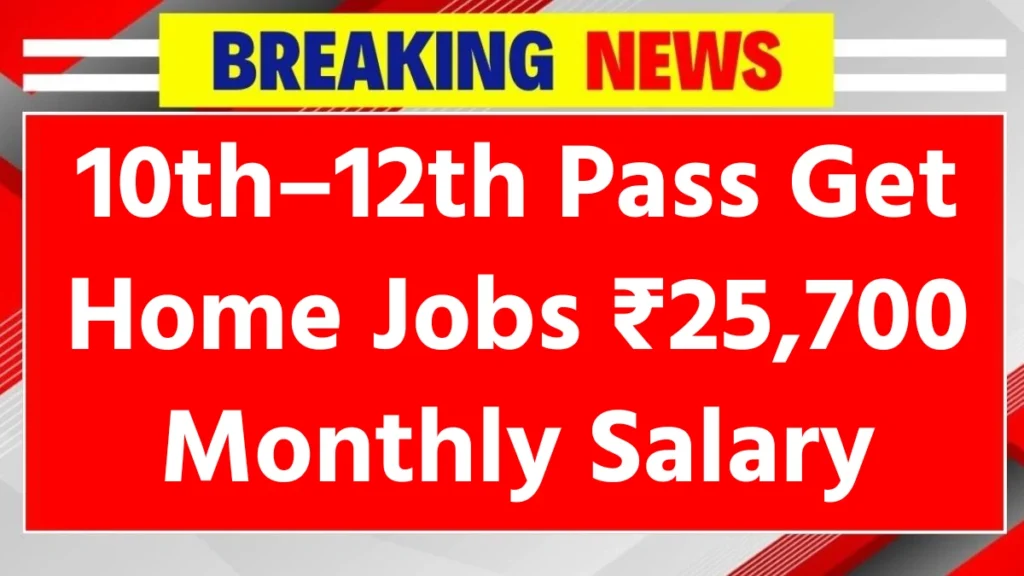
The PM Work From Home Scheme 2026 is gaining attention because it focuses on creating digital employment opportunities for individuals with basic education. The initiative encourages people with 10th and 12th pass qualifications to participate in online work such as data entry, digital documentation, and customer support services. With potential earnings reaching ₹25,700 per month, the program is becoming an attractive option for those looking for flexible income opportunities.
Digital India Driving Remote Jobs
India’s rapid digital transformation is creating new job opportunities that did not exist a decade ago. Government services, banking, education, and business operations are increasingly moving online. As a result, the demand for digital support workers, online assistants, and remote service providers has increased significantly.
Programs like the PM Work From Home Scheme are designed to encourage citizens to take part in this digital economy. Instead of depending only on traditional office jobs, individuals can now work remotely using a computer or smartphone. This approach helps reduce unemployment and allows people living in smaller towns or villages to participate in the growing online workforce.
Who Can Apply Easily
One of the most attractive aspects of the PM Work From Home Scheme is its simple eligibility requirements. The program mainly targets individuals who have completed secondary or higher secondary education and want to start earning from home. Even candidates with limited experience can apply because many roles involve basic digital tasks.
Applicants generally need to meet the following basic conditions:
• Must be 10th or 12th pass from a recognized board
• Basic knowledge of computer or smartphone usage
• Access to a stable internet connection
• Ability to read and understand basic instructions in Hindi or English
• A valid Aadhaar-linked mobile number
These simple requirements make the program accessible to a wide range of people including students, unemployed youth, and homemakers.
Monthly Income Potential Explained
One of the main reasons people are interested in this scheme is the potential monthly income. Earnings can vary depending on the type of work assigned, the number of hours invested, and the worker’s productivity.
Below is an estimated income range for different digital tasks.
| Work Category | Estimated Monthly Income |
|---|---|
| Basic Data Entry | ₹8,000 – ₹12,000 |
| Online Form Processing | ₹10,000 – ₹15,000 |
| Digital Documentation Support | ₹12,000 – ₹18,000 |
| Customer Support Assistance | ₹15,000 – ₹20,000 |
| Advanced Digital Tasks | Up to ₹25,700 |
Individuals who work consistently and improve their typing speed or digital skills may earn more over time. Some platforms also provide performance-based incentives that increase monthly earnings.
Types Of Work Offered
The scheme focuses on simple online tasks that can be completed remotely. Most assignments are designed for beginners who have basic digital knowledge and attention to detail.
Some common work opportunities include:
• Data entry and document digitization
• Online form verification and processing
• Customer service support through chat or email
• Digital record management
• Updating online government databases
• Basic content moderation tasks
These roles usually require accuracy and consistency rather than advanced technical skills. Workers can complete tasks from home using a laptop, desktop, or even a smartphone in some cases.
Essential Documents For Registration
To participate in digital work programs, applicants typically need to submit certain documents during the registration process. These documents help verify identity and ensure that payments are transferred securely.
The most commonly required documents include:
• Aadhaar card for identity verification
• PAN card for financial documentation
• Bank account details for salary transfer
• Mobile number linked with Aadhaar
• Educational certificate of 10th or 12th pass
Providing correct information during registration helps ensure faster approval and avoids delays when assigning work tasks.
Tools Needed For Online Work
Working from home requires a few basic tools that allow individuals to complete assignments efficiently. Most digital jobs under the scheme do not require expensive equipment, making them accessible for beginners.
Essential tools include:
• A smartphone, laptop, or desktop computer
• Stable internet connection
• Basic typing skills
• Email account for communication
• Digital payment enabled bank account
Many beginners start with a smartphone and gradually upgrade to a laptop as they gain experience and increase their earnings.
Quick Overview Of The Scheme
Below is a simplified overview of the key highlights of the PM Work From Home Scheme.
| Feature | Details |
|---|---|
| Scheme Name | PM Work From Home Scheme 2026 |
| Education Requirement | 10th or 12th pass |
| Work Mode | Remote / Online |
| Monthly Earnings | ₹8,000 to ₹25,700 |
| Job Type | Data entry, digital support, online tasks |
| Work Location | From home anywhere in India |
| Skill Requirement | Basic digital knowledge |
This structure allows even beginners to start earning while learning new digital skills that may help them in future job opportunities.
Why Young People Prefer Remote Work
Remote work is becoming increasingly popular among young people in India. The flexibility of working from home allows individuals to balance personal responsibilities, education, and income generation. Students can earn part-time income while continuing their studies, and homemakers can work during convenient hours.
Another important factor is the elimination of daily commuting. Travel costs, traffic, and long working hours often discourage people from traditional office jobs. Work-from-home opportunities remove these barriers and allow individuals to earn from the comfort of their homes.
Additionally, the rapid expansion of digital services in India means that the demand for remote workers is likely to increase in the coming years.
How To Start Working Online
Getting started with remote work usually involves a simple registration and verification process. After creating an account on an official or authorized digital employment platform, applicants fill in their personal and educational details.
Once the application is reviewed and approved, workers may receive instructions or short training modules explaining how to complete assigned tasks. After successfully completing the onboarding process, individuals can begin receiving assignments and start earning.
Consistency, accuracy, and basic digital skills play an important role in maintaining steady income from such online work opportunities.
Final Word: PM Work From Home Scheme 2026
The PM Work From Home Scheme 2026 reflects the growing importance of digital employment in India. By allowing 10th and 12th pass candidates to earn money from home, the initiative highlights how technology is transforming traditional job opportunities.
Also Read: 8CPC 2026 Breaking Update: Pension, DA & Salary Revision to Transform Employee Benefits
For many people, especially those living in smaller towns or rural areas, remote work can open doors to financial independence without the need to migrate to big cities. While applicants should always verify official information before registering on any platform, learning digital skills and exploring legitimate online work opportunities can be a smart step toward building a stable income in the modern digital economy.
Disclaimer: This article is for informational purposes only. Work-from-home schemes may vary by platform or government updates. Always verify official announcements, eligibility, and registration details before applying or sharing personal information online.